Commercial Flooring
Offices, suites and light commercial spaces across Licking and Franklin County. Commercial flooring is a scheduling problem as much as a flooring one, so we visit the site, work out what can be done in which order, and fit the work around when your business is actually open.

The floor is rarely the hard part
Downtime costs more than the material
On a commercial job the flooring is a manageable expense and the closure is not. A suite that cannot be used for three days costs more than the difference between two carpet specifications, which is why the sequence matters more than almost anything else in the quote.
So we start with the calendar. Which areas can be closed and when, whether work can run in the evening or across a weekend, whether the space can be done in phases so half of it stays open. Those answers change the plan, and they are worth establishing before anybody talks about product.
Specification follows traffic, not taste
Commercial traffic is a different order of magnitude from residential. A reception area sees more footfall in a week than a family room sees in a year, and product rated for a home will look worn out in months.
That means commercial-rated carpet tile or broadloom, higher abrasion classes in hard surface, and adhesives and backings specified for the load. It also means being straightforward about the rooms that do not need it — a private office at the end of a corridor is not the lobby, and specifying it as though it were is money spent on nothing.
What's included
- Site visit and measurement before any number
- Products selected for commercial traffic
- Work scheduled around your opening hours
- Same preparation, cleanup and walkthrough as our residential jobs
Offices, suites and small premises
Offices and professional suites
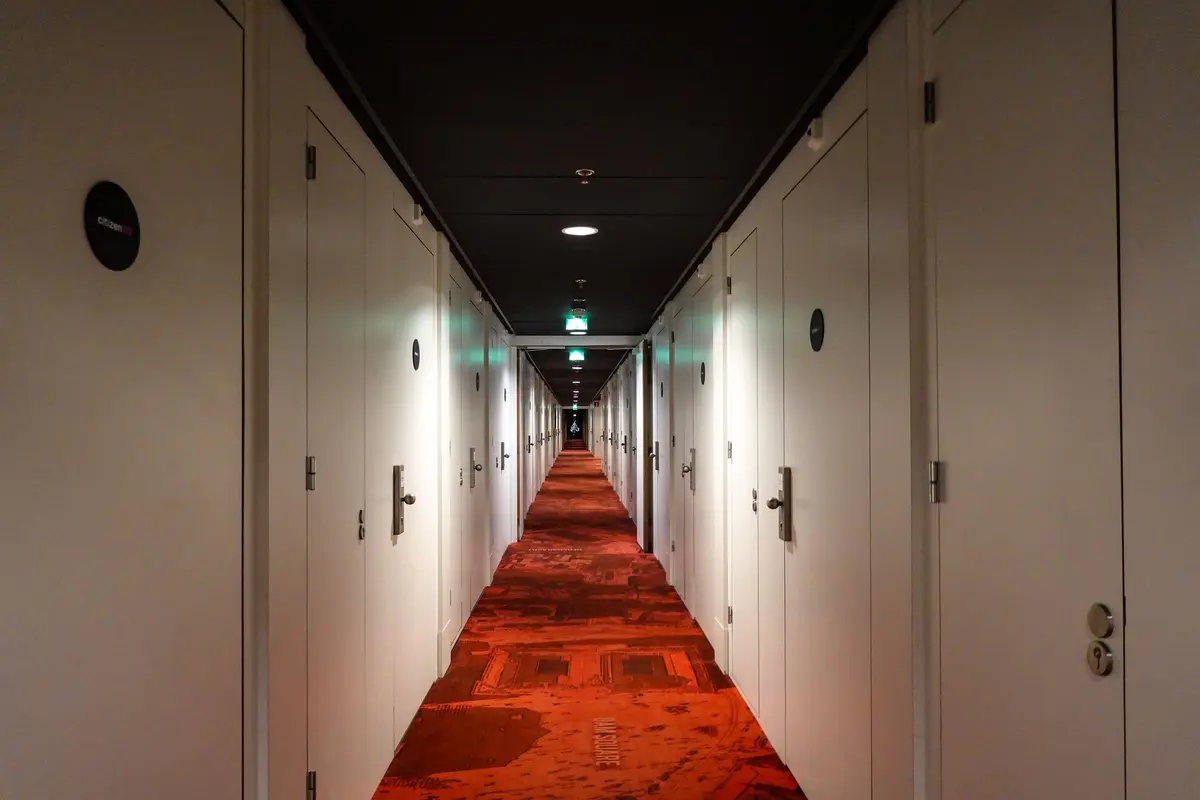
The most common commercial job we do: a suite of offices, a corridor and a reception area, often with a fixed date to be back in use. Carpet tile is usually the sensible answer — it goes down fast, it can be phased around occupied desks, and a damaged tile lifts out and gets replaced without touching the rest of the floor.
It also handles the thing that actually damages office floors, which is chairs. Castor wheels on a soft residential carpet cut a track within a year.
Retail and customer-facing space
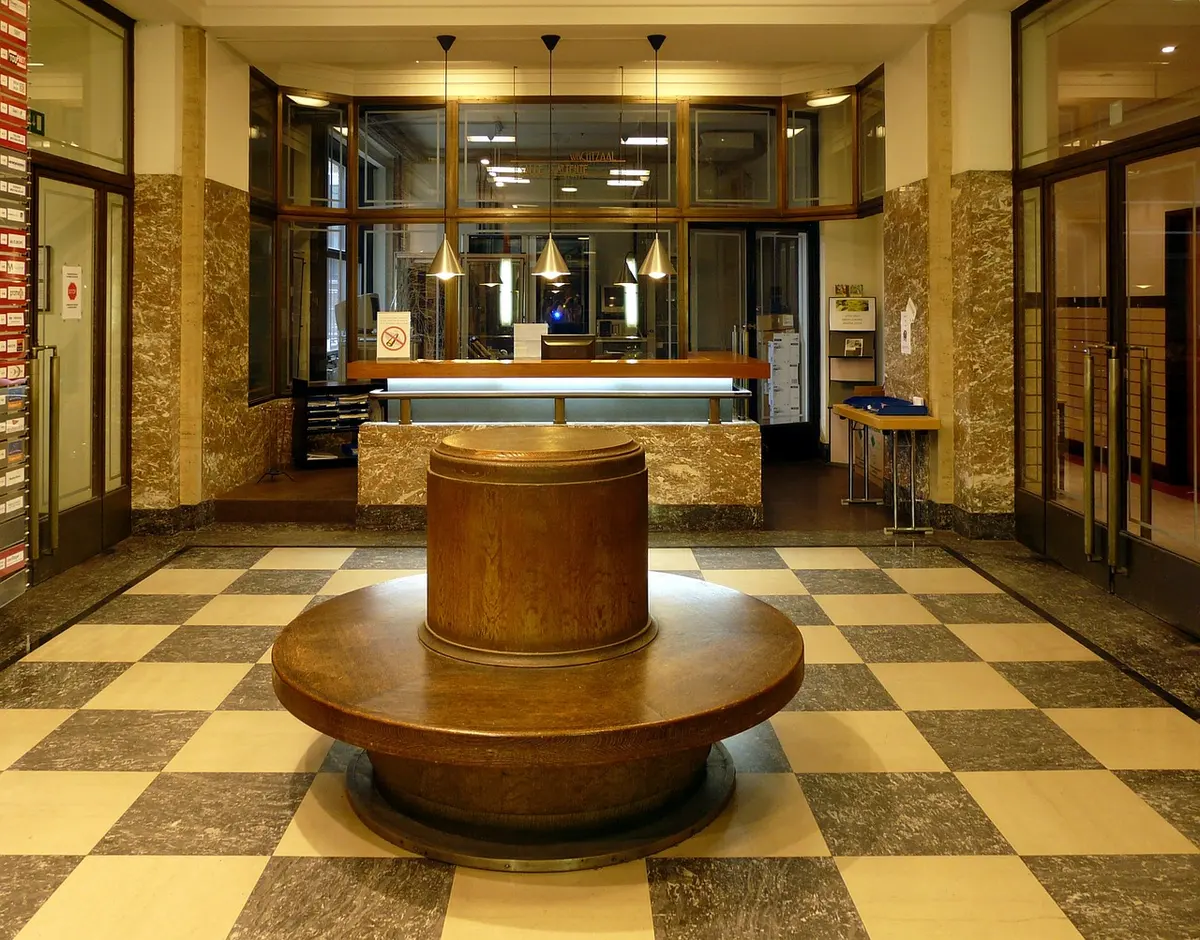
Customer-facing floors have to look right and take concentrated traffic through the door and along the main route. Those two demands pull in different directions, and the resolution is usually a harder-wearing specification on the traffic lanes with something better-looking where people stop.
Entry matting is worth more than it costs. The majority of what wears a commercial floor is grit carried in on shoes, and stopping it in the first few feet extends the life of everything beyond it.
Small premises and tenant fit-outs
Fit-outs and turnover work between tenants have their own pressure: a fixed window, and often a subfloor nobody has looked at since the building went up. We would rather see it before the date is committed to than discover a leveling job on the first morning.
For landlords, being able to replace part of a floor rather than all of it is usually the deciding factor, and it is worth building into the original specification.
Customer-facing floors have to look right and take concentrated traffic through the door and along the main route.
Commercial Flooring we've installed
Site visit, sequence, then install
A site visit before a number
Every commercial quote starts with a visit. We measure, look at the existing floor and the subfloor, note the access, and talk through the schedule. Commercial jobs are priced per project after that visit rather than off a rate card, because the variables that matter are not square footage.
Access is a real one. A first-floor suite with a service lift and a loading bay is a different job from a second-floor office up a public stair, and the difference is hours, not materials.
Working around you
Where the space cannot close, we phase it — area by area, or evenings and weekends. We contain the work zone, keep the routes people need open, and clear debris as we go rather than at the end.
The same preparation discipline applies as on a house. The subfloor gets checked for flatness, moisture and soundness, and old adhesive comes off properly. Commercial deadlines are exactly the circumstance under which that step gets skipped, and exactly the circumstance in which skipping it is most expensive.
Handover
We clean up, walk the finished space with you and confirm the areas are ready to use. Where a floor has been phased, each phase is handed back as it completes rather than everything at the end.
As on our residential work, we install only materials we sell and service only the jobs we installed.
Where the space cannot close, we phase it — area by area, or evenings and weekends.
0% APR for 12 months
6,12,36 months 0% depends on purchase size.
Commercial Flooring by city
- Heath Commercial Flooring
- Newark Commercial Flooring
- Granville Commercial Flooring
- Pataskala Commercial Flooring
- Johnstown Commercial Flooring
- Hebron Commercial Flooring
- Utica Commercial Flooring
- Buckeye Lake Commercial Flooring
- Harbor Hills Commercial Flooring
- Kirkersville Commercial Flooring
- Alexandria Commercial Flooring
- Hanover Commercial Flooring
- Saint Louisville Commercial Flooring
- Etna Commercial Flooring
- Thornville Commercial Flooring
- Pickerington Commercial Flooring
- Reynoldsburg Commercial Flooring
- New Albany Commercial Flooring
- Gahanna Commercial Flooring
- Canal Winchester Commercial Flooring
- Whitehall Commercial Flooring
- Bexley Commercial Flooring
- Groveport Commercial Flooring
- Westerville Commercial Flooring
- Columbus Commercial Flooring
- Worthington Commercial Flooring
- Upper Arlington Commercial Flooring
- Grandview Heights Commercial Flooring
- Grove City Commercial Flooring
- Dublin Commercial Flooring
- Hilliard Commercial Flooring
Other services
-
Carpet
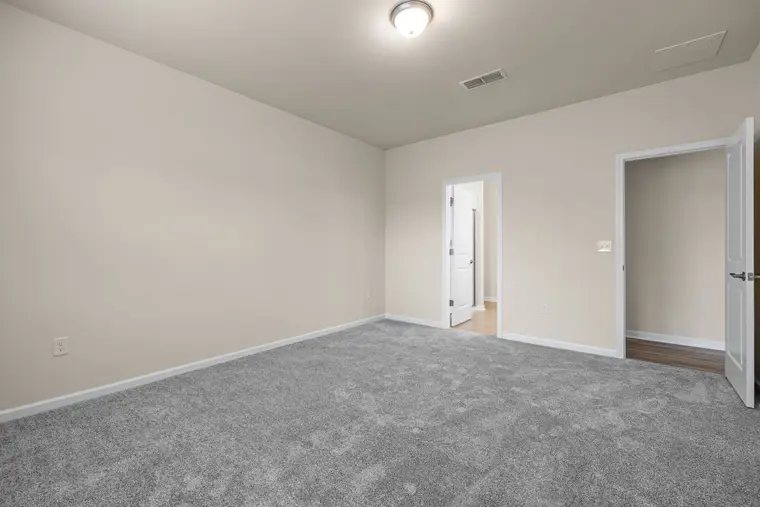
Soft, pet-friendly and stain-resistant carpet chosen with you at home, then measured, prepared and installed by experienced flooring contractors.
Learn more → -
Luxury Vinyl Plank
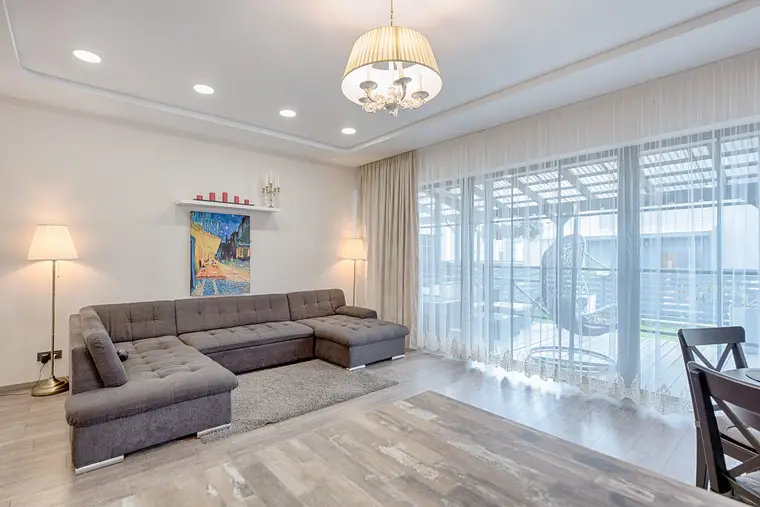
The look of natural wood with the durability busy households need — water-resistant options, easy care, installed by experienced flooring contractors.
Learn more → -
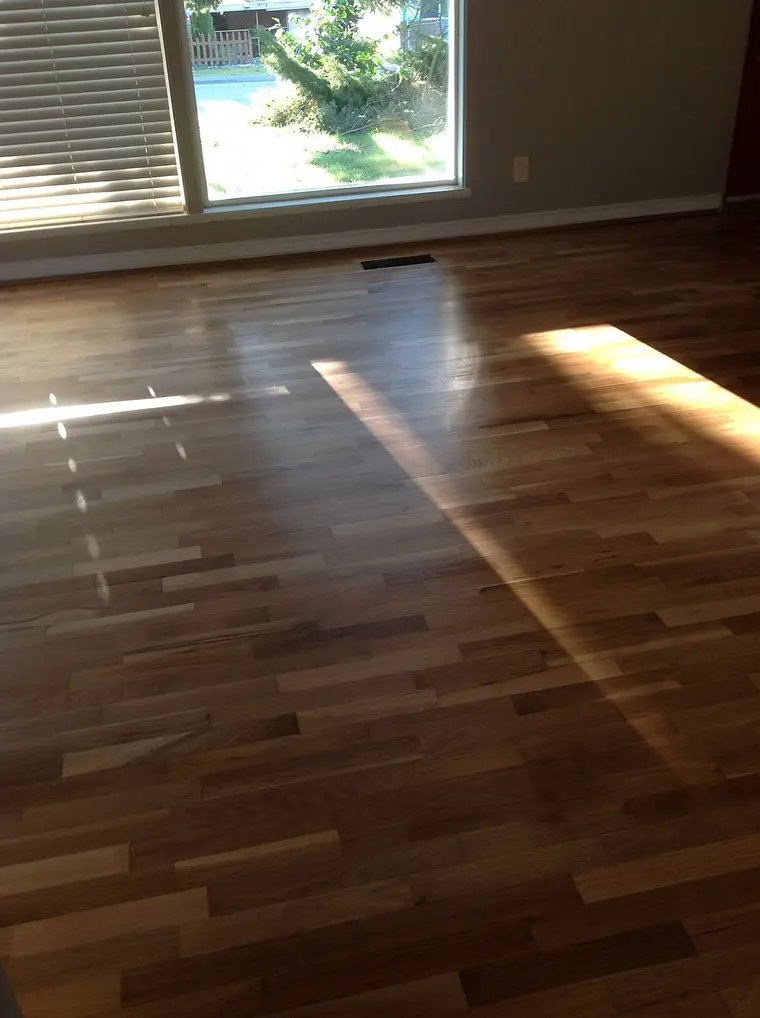
Hardwood Flooring
Genuine hardwood — solid and engineered — selected for grain, tone and finish, then measured and installed to last.
Learn more → -
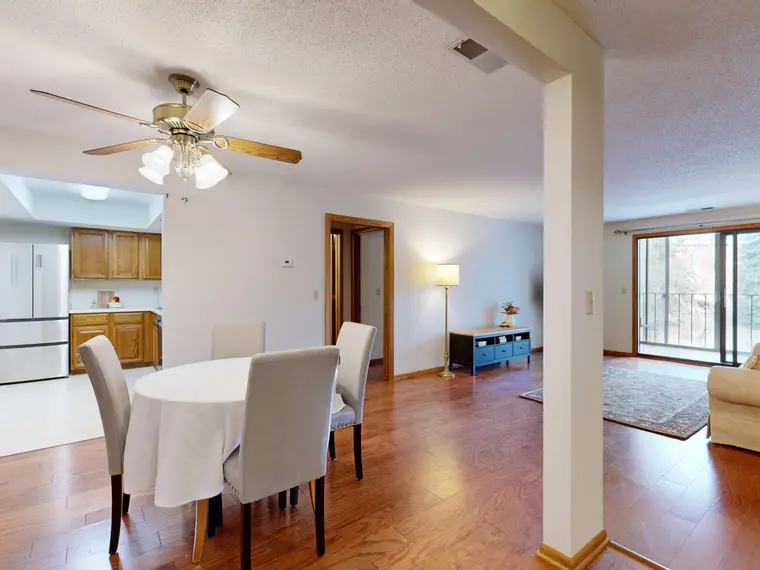
Laminate
Hard-wearing laminate flooring for rooms that take a beating, supplied and installed with the same preparation and cleanup as every Highmark job.
Learn more → -
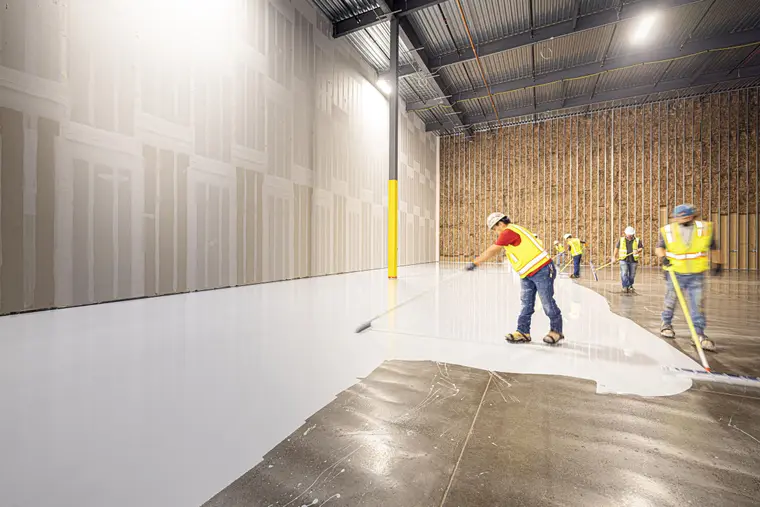
Floor Removal & Demo
Old flooring lifted, hauled away and the subfloor left clean, dry and ready — included in the project price on most jobs.
Learn more → -
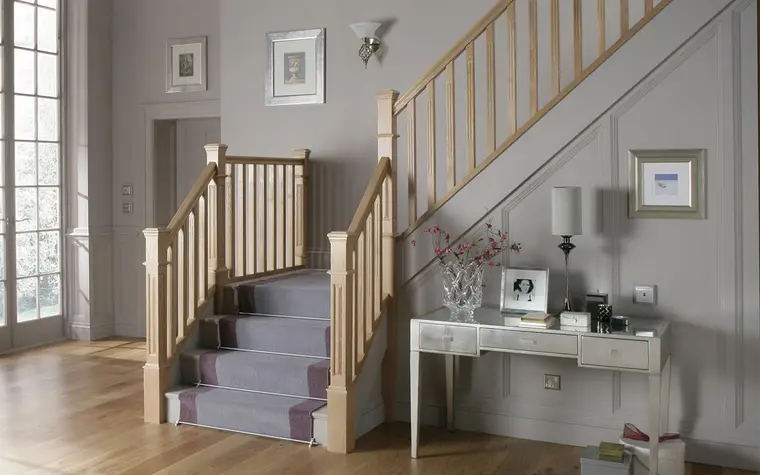
Stairs & Trim
Stairs, transitions and trim finished properly — the details that decide whether a new floor looks installed or looks finished.
Learn more →
Ready for your free in-home estimate?
Free in-home estimate, clear pricing, and a crew that shows up when we say we will.