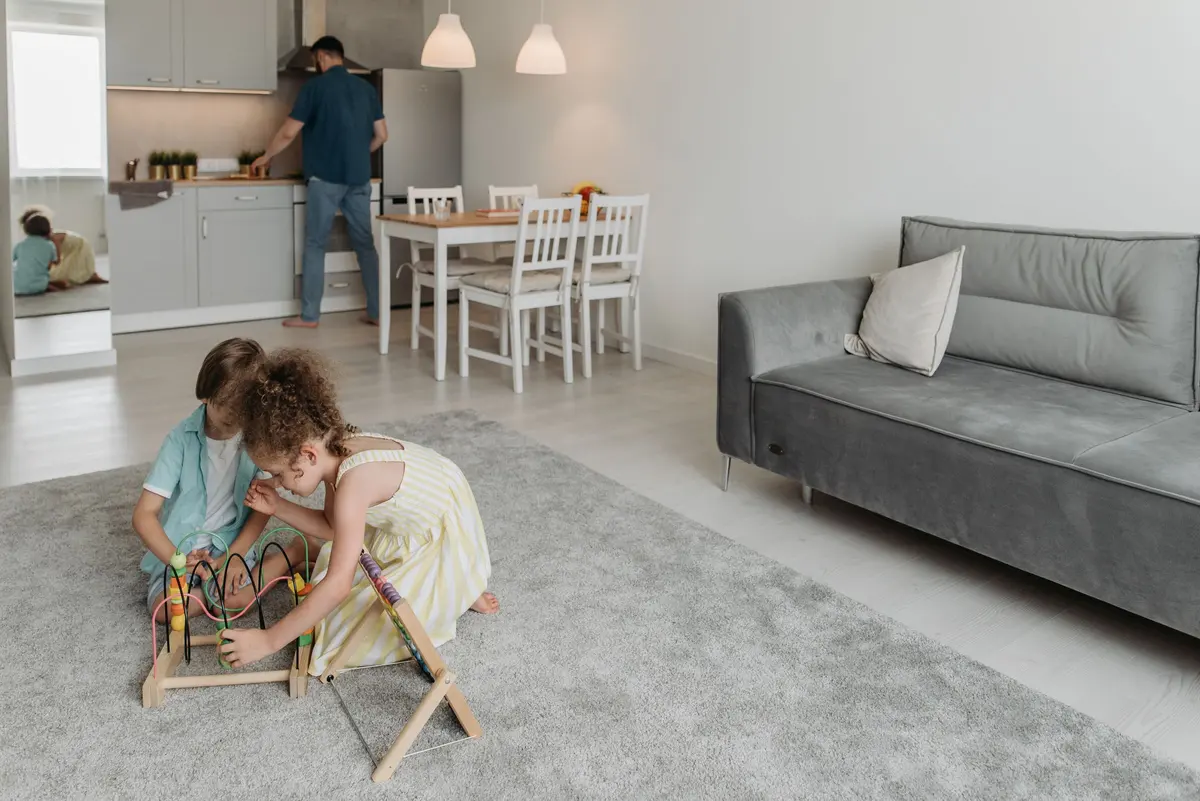
Laminate
Laminate is the hardest-wearing surface in the range and usually the least expensive way to get a convincing wood look across a lot of floor area. It is the right answer in rooms that take a beating and stay dry, and we will say so when a room is not one of those.
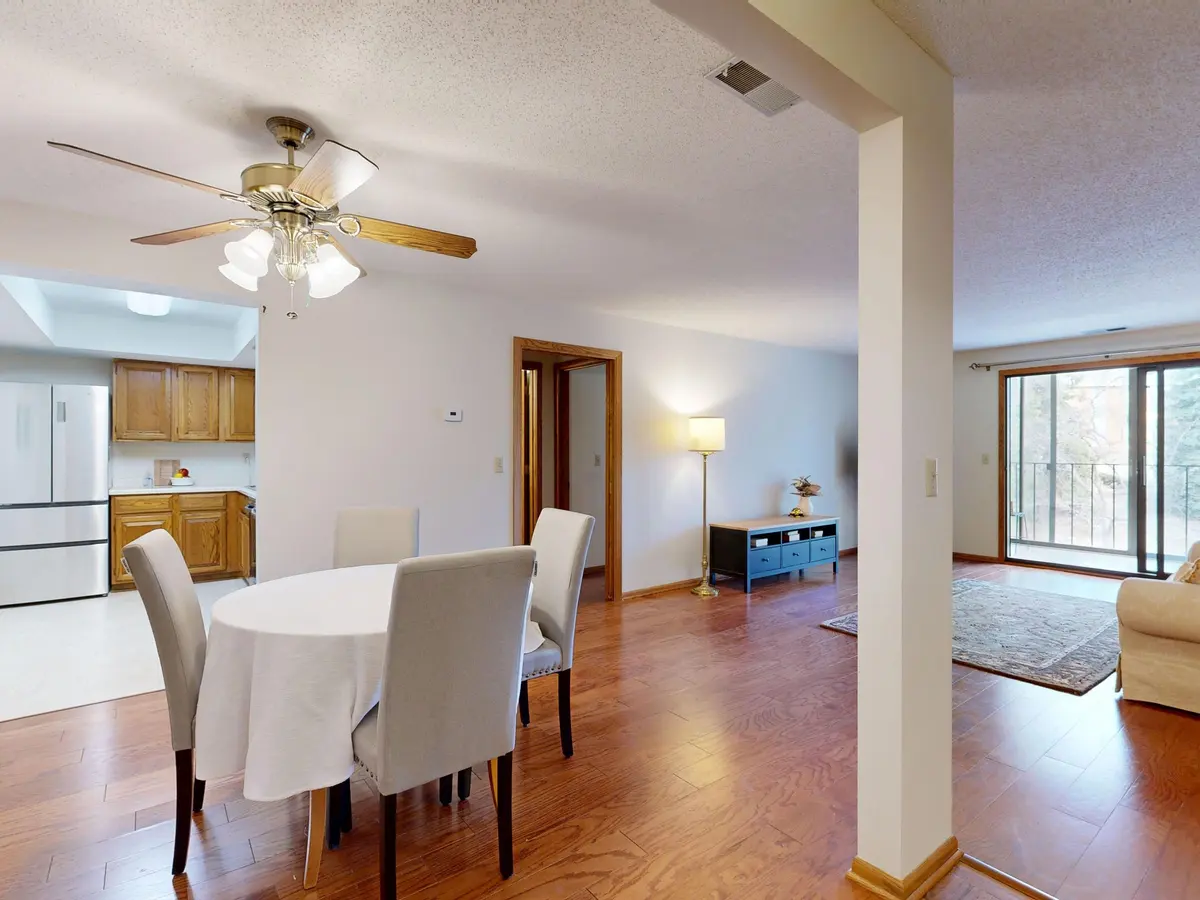

The toughest surface, and a core that hates water
What laminate actually is
A laminate board is a high-density fiberboard core with a printed decorative layer and a clear melamine wear layer pressed over it. The wear layer is genuinely hard — harder than a hardwood finish and harder than most vinyl — which is why laminate resists the scuffing and scratching that dulls other floors.
The core is the trade-off. Fiberboard is compressed wood fiber, and wood fiber swells when it gets wet and does not go back. Modern water-resistant laminates seal the edges and the surface well enough to shrug off a spill you mop up, which is a real improvement. Standing water that reaches a seam and sits there is still the thing that ends a laminate floor.
Reading an AC rating
Laminate carries an abrasion class rating, AC1 through AC5, and it is one of the few flooring specifications that means something concrete. AC3 handles normal residential traffic comfortably. AC4 and AC5 are rated for commercial use and are what we would put in a busy hallway, a family entrance or a home office that doubles as a workshop.
Paying for AC5 in a guest bedroom is money spent on nothing. Paying for AC3 in the main artery of a house with three children and a dog is a false economy. It is worth matching the rating to the room rather than buying one specification for the whole house.
What's included
- Hard-wearing surface built for busy rooms
- Wide range of wood looks and finishes
- Straightforward maintenance
- Professionally measured and installed
Busy, dry rooms
Family rooms, bedrooms and hallways
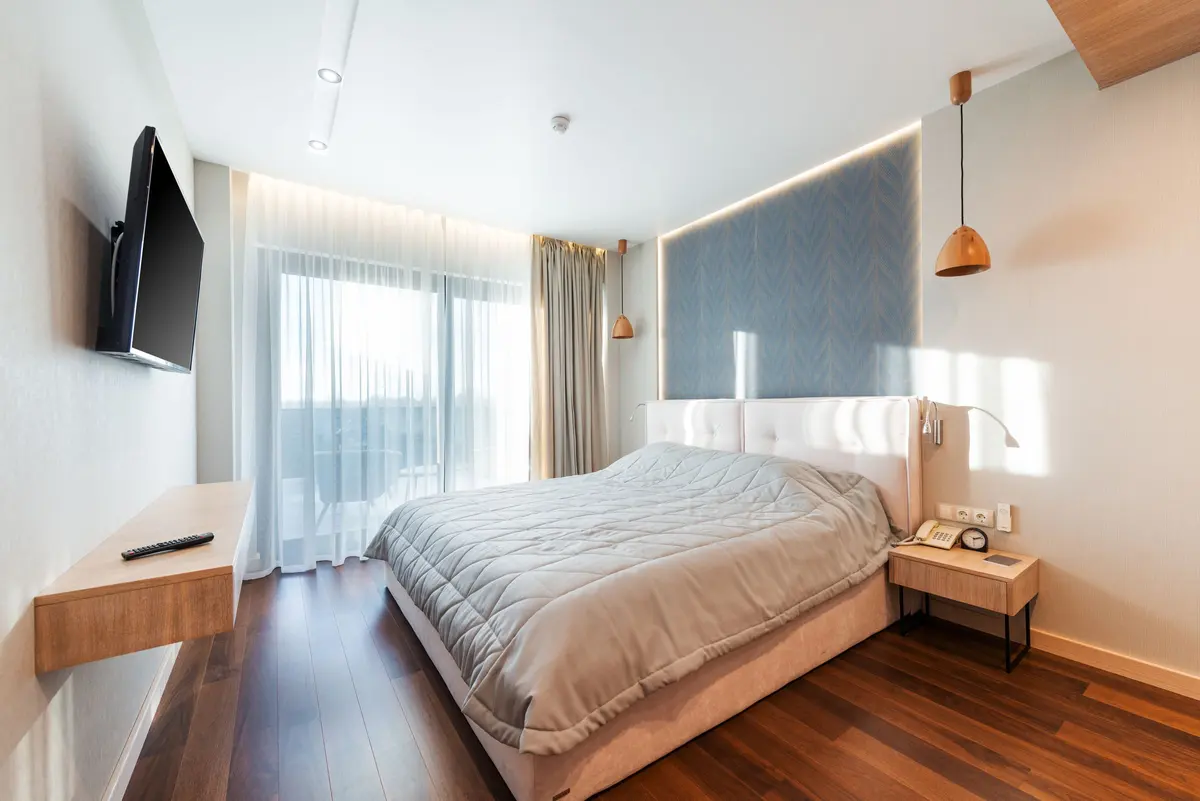
Laminate is at its best in the high-traffic dry rooms — the family room, the upstairs hall, bedrooms in a house where a hard surface is preferred to carpet. The wear layer takes the traffic without dulling, and the price per square foot lets you do a whole floor rather than a room at a time.
It also floats, which means it goes down over a suitable existing floor in many cases without a full tear-out, and it comes up again cleanly if the room's use changes.
Rentals and quick turnarounds
For a rental property or a house being prepared for sale, laminate is often the sensible specification. It looks like wood, it survives tenants, and replacing a damaged plank in a floating floor is far less disruptive than a repair to a glued or nailed one.
Because we install only what we sell and service only what we installed, we can also tell you what we would put in a property we did not live in, which is not always the same as what we would put in one we did.
Rooms we would not put it in
Bathrooms, laundry rooms and mudrooms that take wet boots all winter are luxury vinyl plank territory, not laminate. So are basements, where the humidity is higher and the slab gives off moisture for years.
The distinction matters more than the marketing suggests. Water-resistant is a real feature and it is not the same as waterproof, and we would rather steer you to the right product than sell you the one whose brochure is bolder.
For a rental property or a house being prepared for sale, laminate is often the sensible specification.
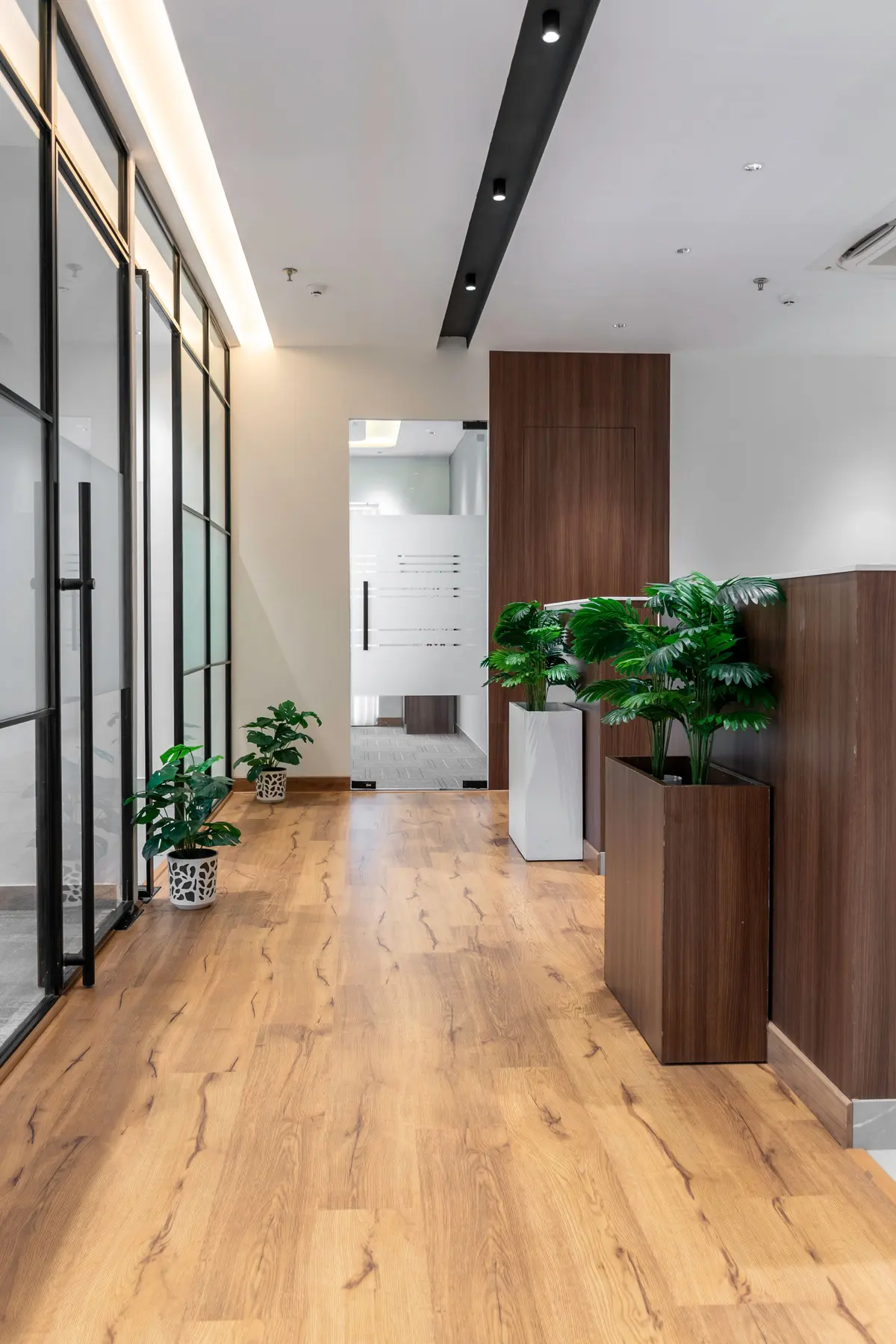
Laminate we've installed
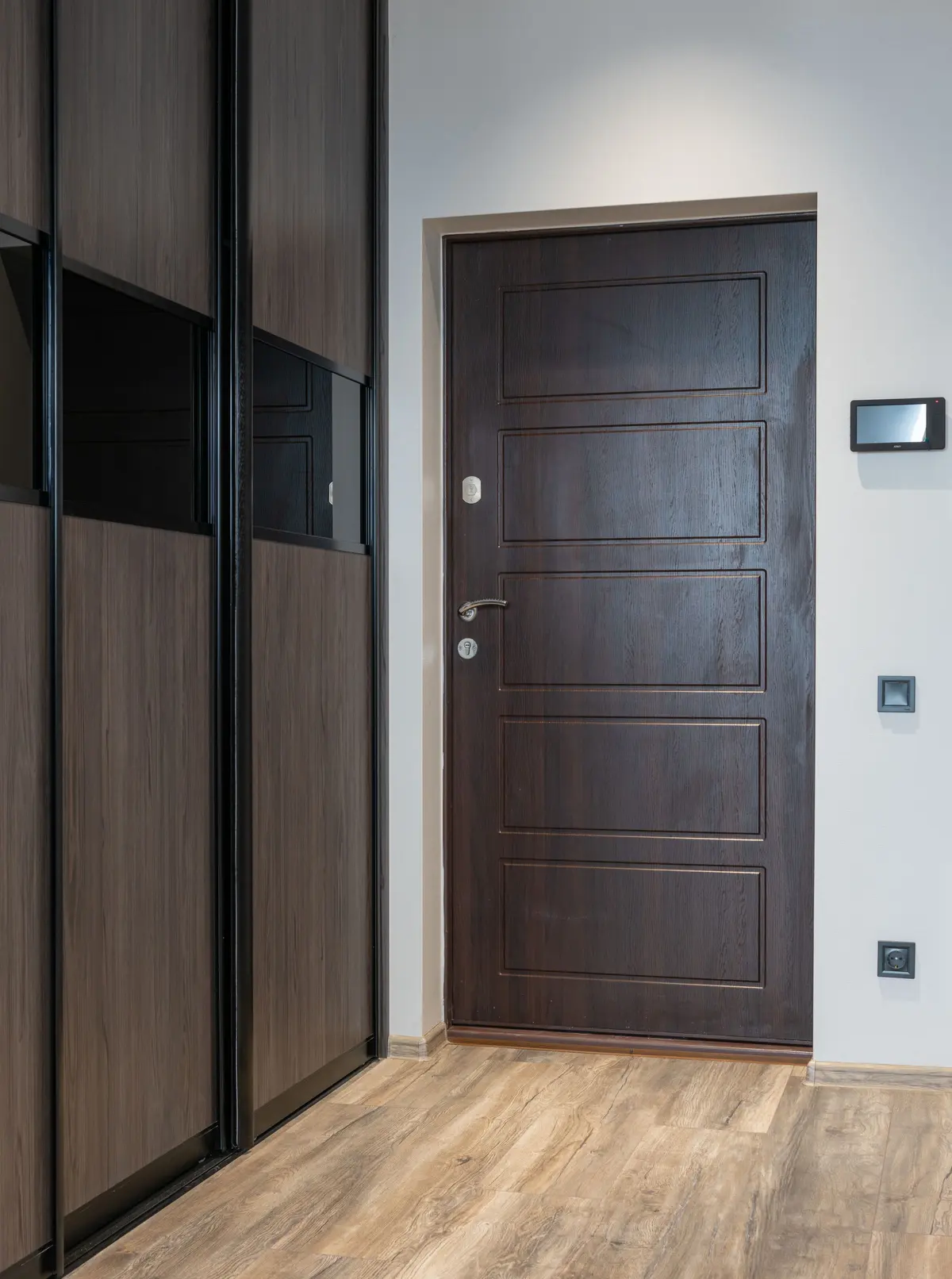

A floating floor needs room to float
Underlayment and the subfloor
Laminate floats — it is not fixed to the subfloor, it rests on an underlayment and locks to itself. That makes the underlayment more than padding: it handles minor subfloor variation, it does most of the acoustic work, and over concrete it carries the vapour barrier.
The subfloor still has to be flat within tolerance. A floating floor over a dip does not follow the dip, it bridges it, and the joint over that void is the one that eventually clicks underfoot and then fails.
Expansion gaps, honestly explained
Every floating floor has to be able to move as a single sheet. That means a gap at every wall, every doorframe, every pipe and every fixed cabinet, and it means the floor must never be pinned by a heavy fitted unit sitting on top of it.
Large open runs sometimes need an expansion joint partway across. It is not a compromise, it is what stops a forty-foot run of floor from lifting in the middle come August. We plan those into the layout at the appointment rather than discovering them mid-install.
Trim, transitions and cleanup
Door casings get undercut so the boards run beneath them, transitions are fitted where the laminate meets carpet, vinyl or tile, and trim covers the expansion gap without fastening through the floor.
Existing-floor removal and standard furniture moving are included on most projects. We clean up and walk the job with you at the end, and installed products carry a lifetime warranty.
Every floating floor has to be able to move as a single sheet.
Laminate questions
How is laminate different from luxury vinyl plank?
Laminate has a fiberboard core and a photographic wear layer; LVP is vinyl through and handles water better. Laminate often costs less per square foot at the same look. We put samples of both in front of you at the appointment.
0% APR for 12 months
6,12,36 months 0% depends on purchase size.
Laminate by city
- Heath Laminate
- Newark Laminate
- Granville Laminate
- Pataskala Laminate
- Johnstown Laminate
- Hebron Laminate
- Utica Laminate
- Buckeye Lake Laminate
- Harbor Hills Laminate
- Kirkersville Laminate
- Alexandria Laminate
- Hanover Laminate
- Saint Louisville Laminate
- Etna Laminate
- Thornville Laminate
- Pickerington Laminate
- Reynoldsburg Laminate
- New Albany Laminate
- Gahanna Laminate
- Canal Winchester Laminate
- Whitehall Laminate
- Bexley Laminate
- Groveport Laminate
- Westerville Laminate
- Columbus Laminate
- Worthington Laminate
- Upper Arlington Laminate
- Grandview Heights Laminate
- Grove City Laminate
- Dublin Laminate
- Hilliard Laminate
Other services
-
Carpet
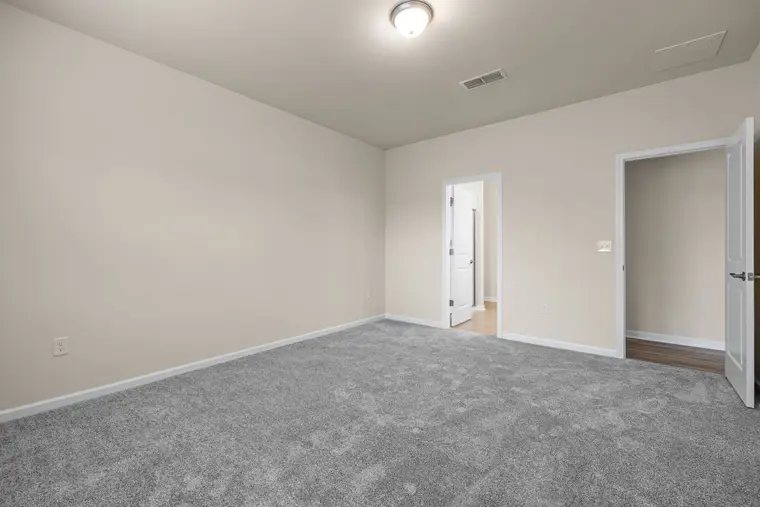
Soft, pet-friendly and stain-resistant carpet chosen with you at home, then measured, prepared and installed by experienced flooring contractors.
Learn more → -
Luxury Vinyl Plank
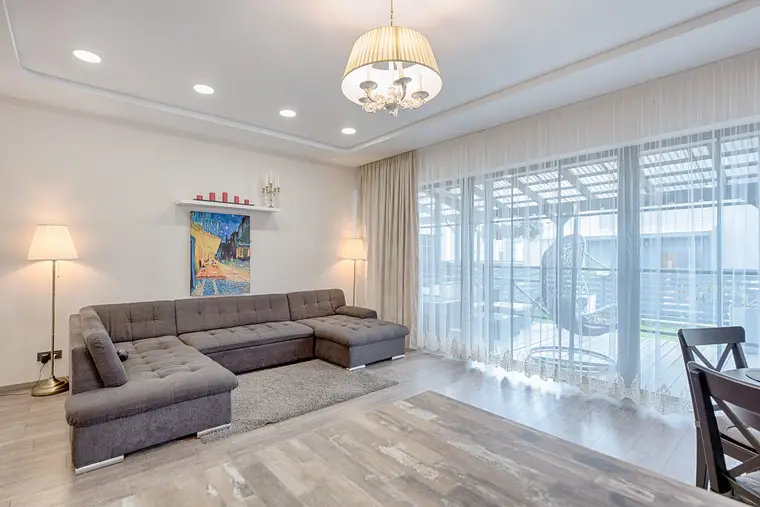
The look of natural wood with the durability busy households need — water-resistant options, easy care, installed by experienced flooring contractors.
Learn more → -
Hardwood Flooring
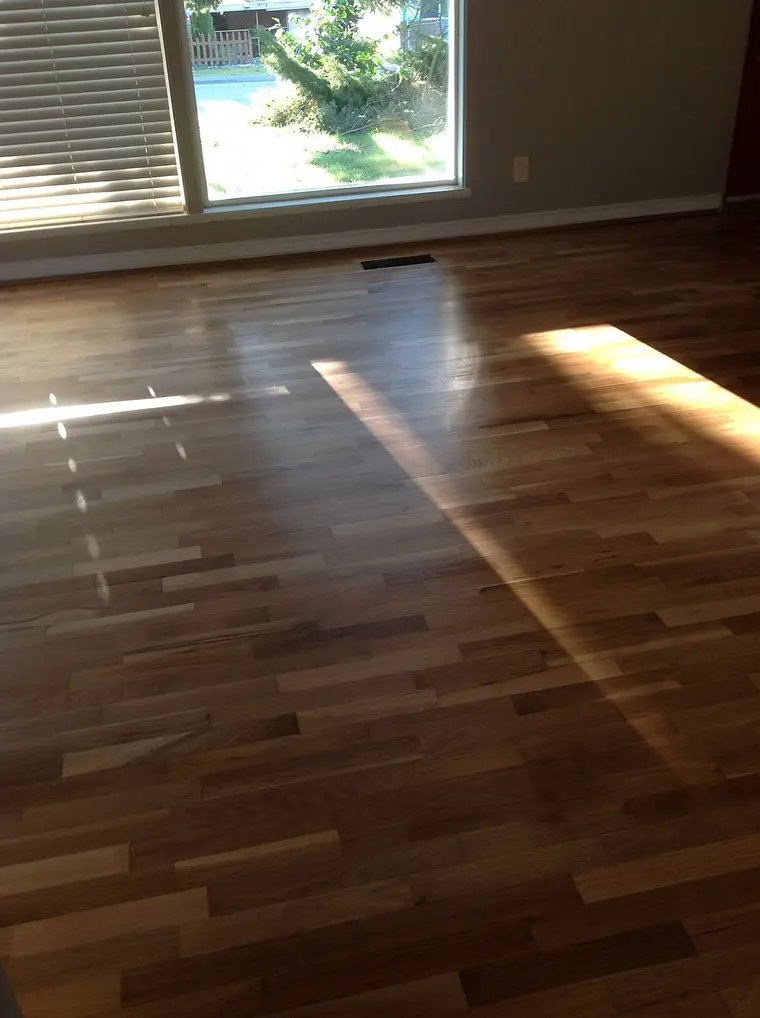
Genuine hardwood — solid and engineered — selected for grain, tone and finish, then measured and installed to last.
Learn more → -
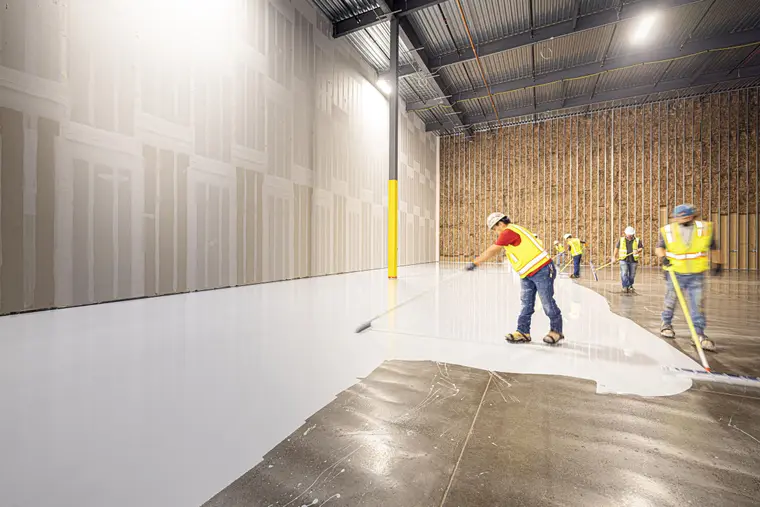
Floor Removal & Demo
Old flooring lifted, hauled away and the subfloor left clean, dry and ready — included in the project price on most jobs.
Learn more → -
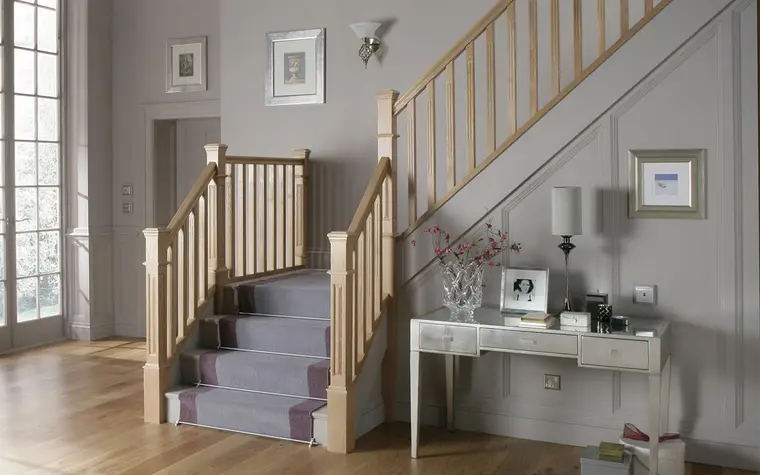
Stairs & Trim
Stairs, transitions and trim finished properly — the details that decide whether a new floor looks installed or looks finished.
Learn more → -
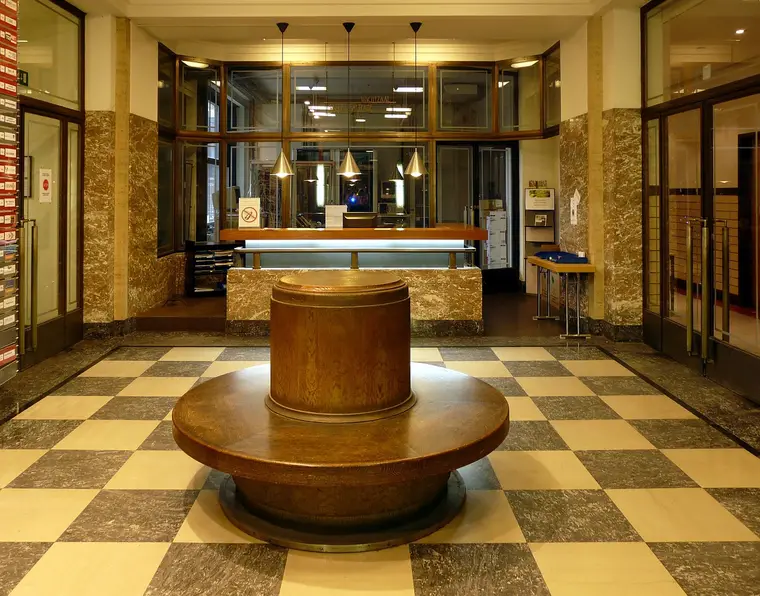
Commercial Flooring
Flooring for offices, suites and light commercial spaces around Licking and Franklin County, on a schedule that works around your business.
Learn more →
Ready for your free in-home estimate?
Free in-home estimate, clear pricing, and a crew that shows up when we say we will.