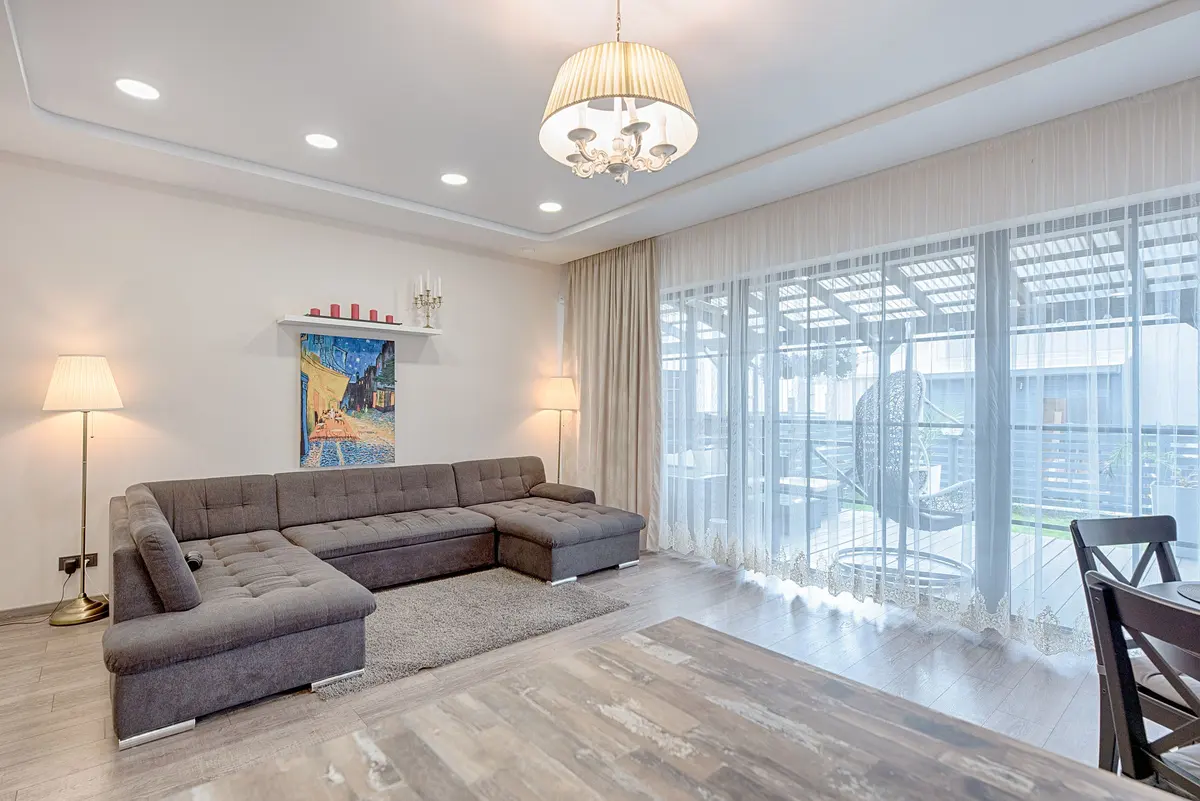
Put a luxury vinyl plank sample next to a laminate sample on a showroom table and most people cannot tell them apart. Both are engineered to look like wood, both click together, both cost less than hardwood. The differences only show up later, in the room, usually the first time something spills.
Here is what actually separates them, and which rooms each one belongs in.
What they are made of
Laminate is a wood product. Underneath the photographic layer that gives it its grain is a core of high-density fibreboard — compressed wood fibre. That core is what makes laminate feel solid and quiet underfoot, and it is also what makes water a problem. Wood fibre swells when it gets wet, and it does not shrink back.
Luxury vinyl plank has no wood in it. The core is rigid or flexible PVC, which does not absorb water at all. That single difference drives almost everything else about how the two floors behave.
Water is the whole argument
If the room can get wet, this decision is already made.
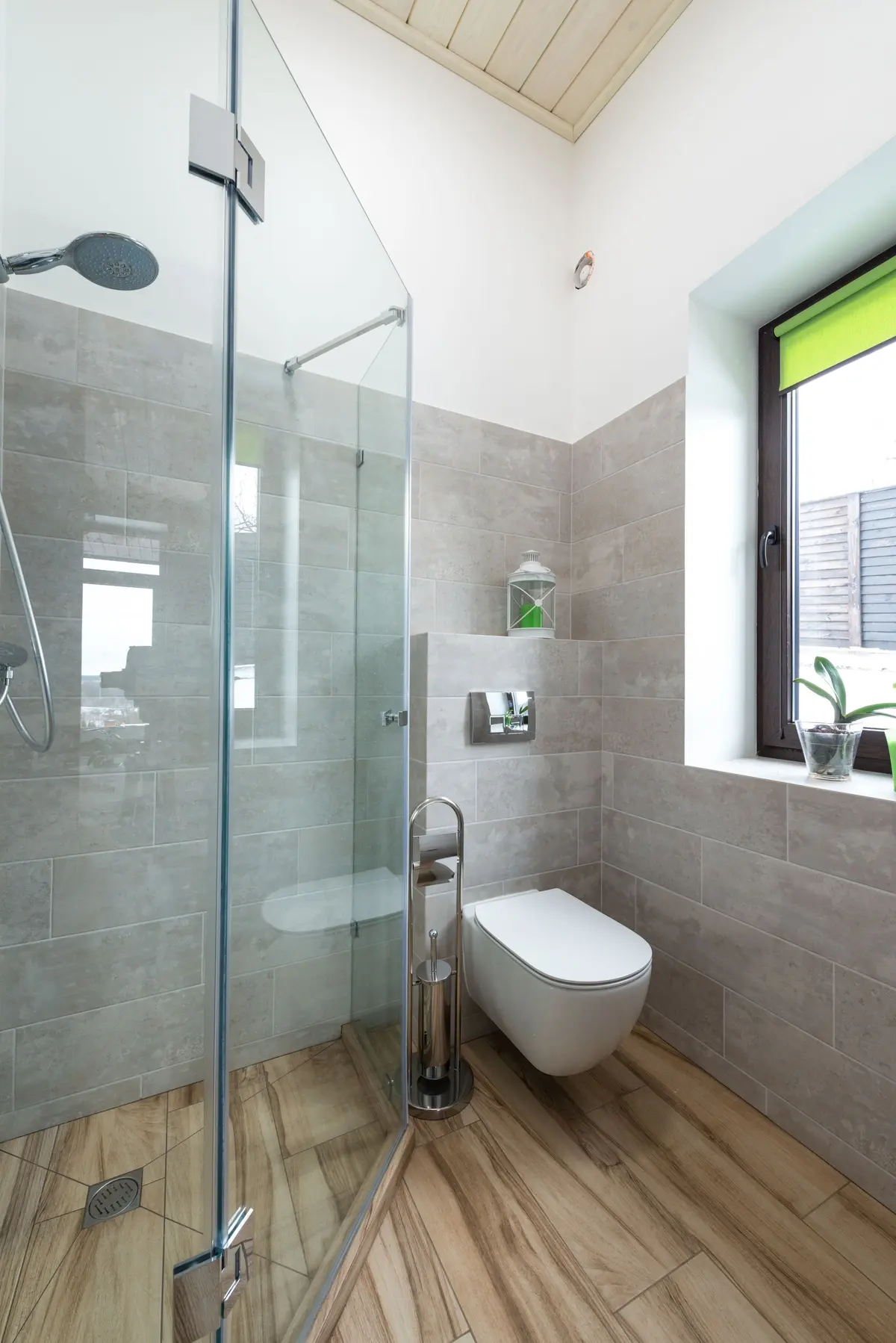
Kitchens, entryways, mudrooms, laundry rooms, bathrooms, basements: luxury vinyl plank. A waterproof plank will sit in standing water and be unaffected. A dishwasher that lets go overnight is an annoyance on LVP and a floor replacement on laminate.
Modern laminate is better than it used to be — water-resistant constructions with sealed edges will handle a spill that gets wiped up in a reasonable amount of time. What they will not handle is water that sits, or water that finds its way to a seam and stays there. Swollen laminate edges cannot be repaired. The plank has to come out.
Where laminate genuinely wins
Laminate is not the lesser product. In the right rooms it is the better one.
- It usually feels warmer and more solid underfoot than a thin vinyl plank
- The wear layer on a quality laminate is extremely hard, and it resists scratching well
- It tends to sound less hollow than a floating vinyl floor
- Higher-end laminates hold detail and texture in the surface that a lot of vinyl still cannot match
Bedrooms, living rooms, dining rooms, hallways, offices, upstairs generally — laminate does very well in all of them, and in that half of the house the water argument never comes up.
How they wear over ten years
Vinyl plank is softer than laminate. That is what makes it comfortable and quiet, and it is also why it dents more easily under a chair leg or a heavy appliance, and why grit tracked in from a gravel drive can dull it over the years if it never gets swept.
Laminate resists dents and scratches better but is more brittle. Drop something heavy on a laminate plank and it can chip; drop it on vinyl and it will more likely take a dent you can live with.
Both are replaceable plank by plank if the floor was installed by someone who left you attic stock. Neither can be sanded and refinished the way solid hardwood can — with either one, the end of its life is replacement, not refinishing.
Pets, kids and Central Ohio winters
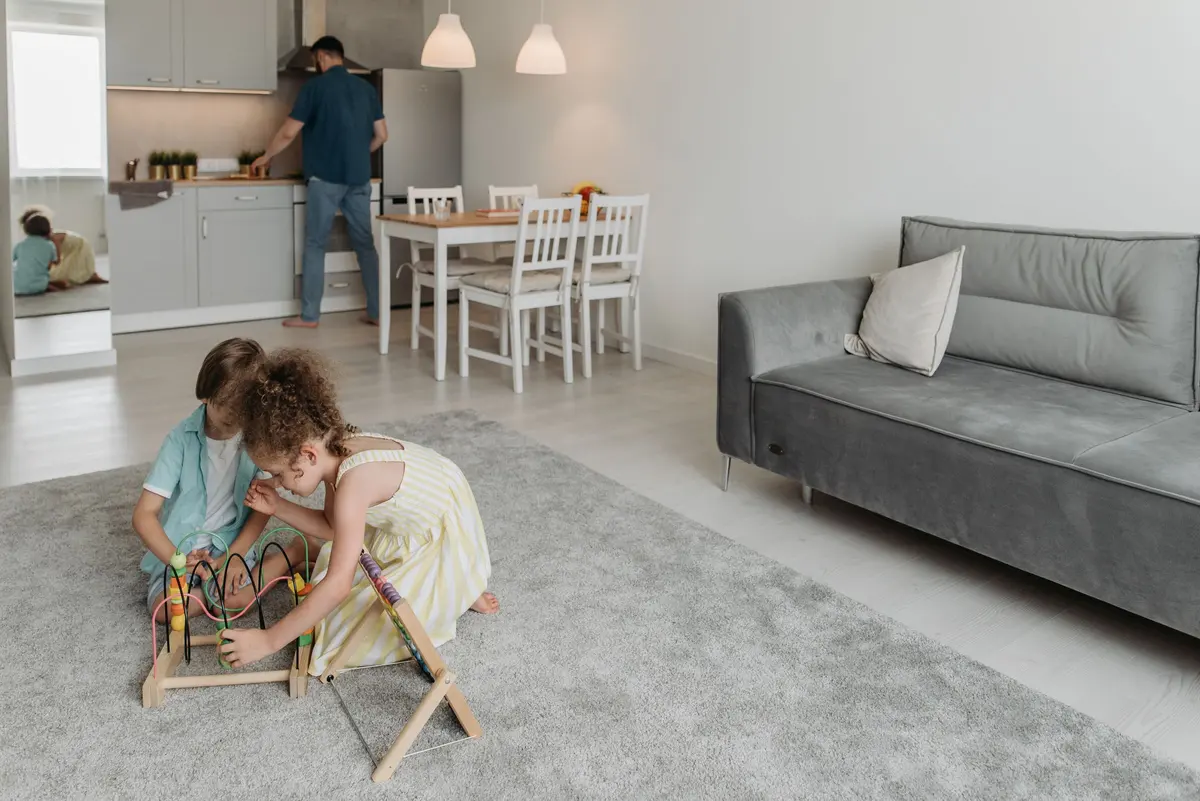
Households with dogs generally do better on luxury vinyl plank. It is more forgiving of claws, it does not care about accidents, and the softer surface is easier on older dogs than laminate.
Wet boots and road salt in February are a vinyl argument too. That is the exact combination that kills laminate at the front door, and it is why we so often end up putting vinyl in an entry hall and laminate through the rest of a floor, with a proper transition between them. There is nothing wrong with using two materials in one house when the rooms are doing different jobs.
What the subfloor thinks about it
This part gets skipped in most comparisons and it decides more jobs than either product feature.
Luxury vinyl plank is thin. A rigid core hides more than a flexible one, but no vinyl plank hides a subfloor that is out of flat — it follows the dips, and once you have seen it you cannot unsee it. Laminate, being thicker and stiffer, bridges small imperfections more forgivingly.
If your subfloor needs levelling, it needs levelling either way. The difference is that laminate will let you get away with slightly more.
What each costs installed
Professionally installed, at 500 square feet, laminate runs $3,000 to $5,000 depending on quality level, and luxury vinyl plank runs $2,500 to $7,500. The bottom of the vinyl range is cheaper than the bottom of the laminate range; the top is considerably more expensive.
Which means price is rarely the deciding factor between them. The room is.
The short version
Water in the room, pets, a basement, or an entryway that sees Ohio winters: luxury vinyl plank. Dry rooms where you want a floor that feels solid and takes a scratch well: laminate is a strong and often better choice.
If you are still torn, the useful thing is not more reading — it is having both samples on the actual floor of the actual room, in that room's light, with your own furniture around them. That is what our in-home appointments are for, and we bring both.